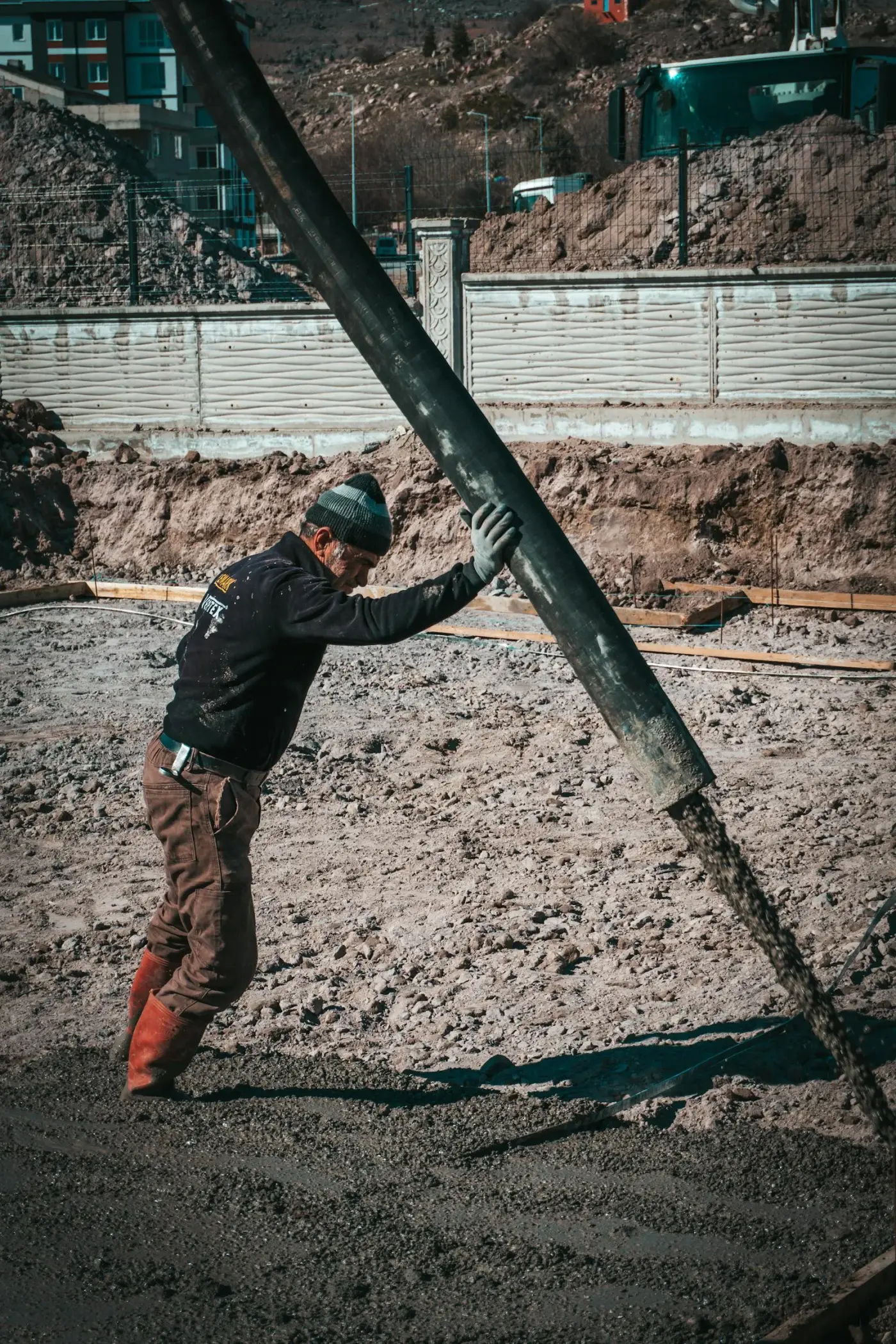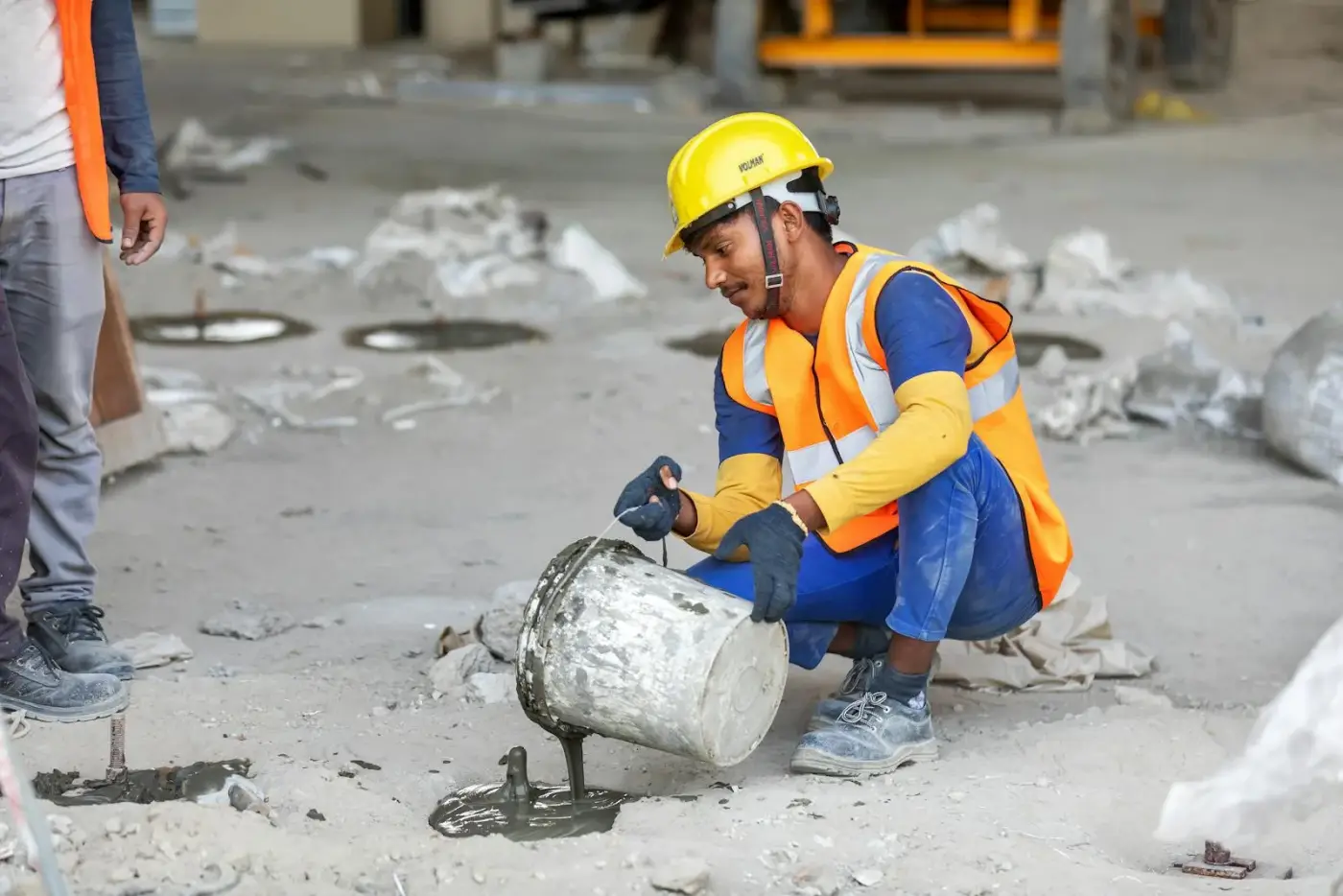
Concrete estimates read easily once you know the three buckets: the concrete itself, the ground preparation Virginia clay demands, and the finish level you choose. Every legitimate Richmond bid is those buckets in some proportion.
Bucket one: the pour
Standard flatwork runs 4 inches, driveways for heavier vehicles 5 to 6. Richmond winters bring enough freeze to justify air-entrained mix at 3,500 to 4,000 PSI — cheap insurance against the dozen serious freeze cycles a season delivers.
Bucket two: the ground
Central Virginia's red clay expands wet and shrinks dry, and slabs poured on it unprepared move with it. Proper jobs excavate, install 4-plus inches of compacted stone, and grade for drainage — the line items that separate a thirty-year driveway from a seven-year one.
Removing the old slab prices by tonnage; mature-tree roots, common along Richmond's older streets, add root barriers or rerouting to the honest quote.
Bucket three: the finish
Broom finish is standard and safest underfoot. Exposed aggregate and stamped work climb from there in labor and sealer commitments. Reinforcement mesh or rebar, and control joints cut on schedule, are small line items that decide how the slab ages.
Comparing quotes without getting played
Force the specs into the open: thickness, PSI, air entrainment, base depth, reinforcement, joints. Two bids matched on those six are comparable; unmatched, the gap is usually buried in the base — where you cannot see it until the clay moves.
Turning three buckets into one number
Sketch the dimensions, photograph the site and its drainage, and require the six specs from every bidder. Clay makes Richmond's cheapest bid trap specific: the base you cannot see is the one you will pay for twice.